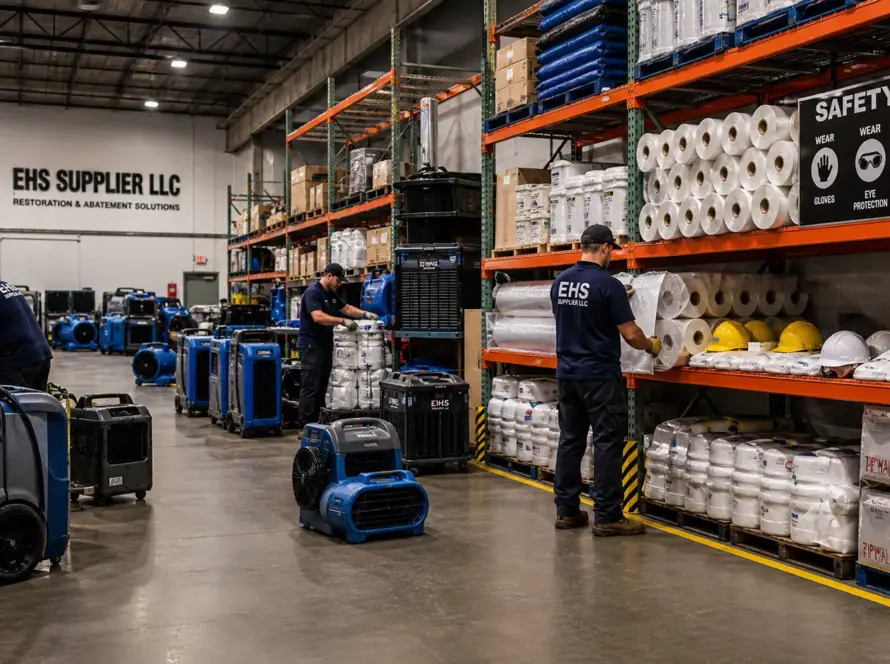
Restoration projects require a careful balance of speed, precision, and the right selection of materials to ensure successful outcomes. Whether dealing with water damage, fire aftermath, or mold remediation, professionals must rely on high-quality supplies that support efficient workflows and maintain safety standards. The ability to choose the right materials not only impacts the quality of the restoration process but also determines how quickly a property can be returned to a safe and functional condition.
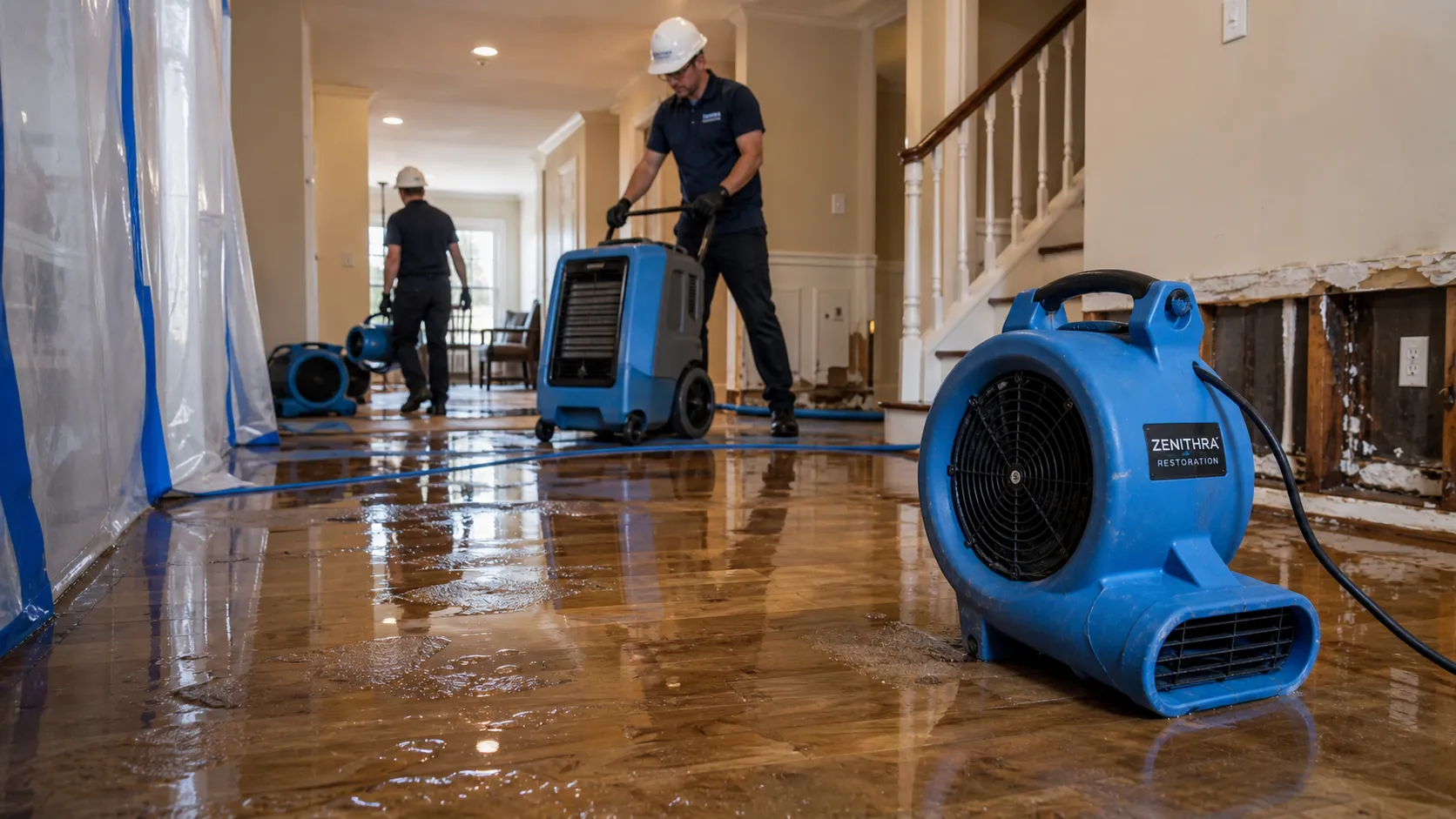
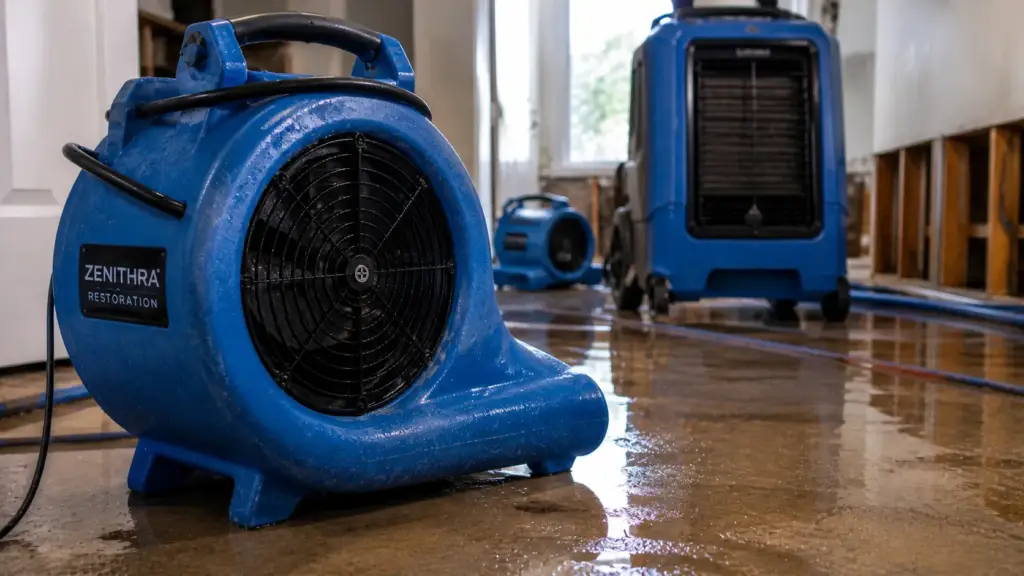
Water damage restoration, for example, depends heavily on moisture control and drying efficiency. Industrial-grade air movers, dehumidifiers, and moisture barriers are essential for removing excess water and preventing secondary damage such as mold growth. Using durable materials like heavy-duty poly sheeting helps create controlled environments where drying can occur effectively. Without proper containment and airflow management, restoration efforts can become prolonged and less effective.
Fire damage restoration presents a different set of challenges, including soot removal, odor control, and structural cleaning. Specialized cleaning chemicals designed for fire damage are critical for breaking down stubborn residues and restoring surfaces. In addition, proper protective equipment is necessary to safeguard workers from harmful particles and toxins that can remain after a fire. Reliable supplies ensure that restoration professionals can handle these complex situations safely and thoroughly.
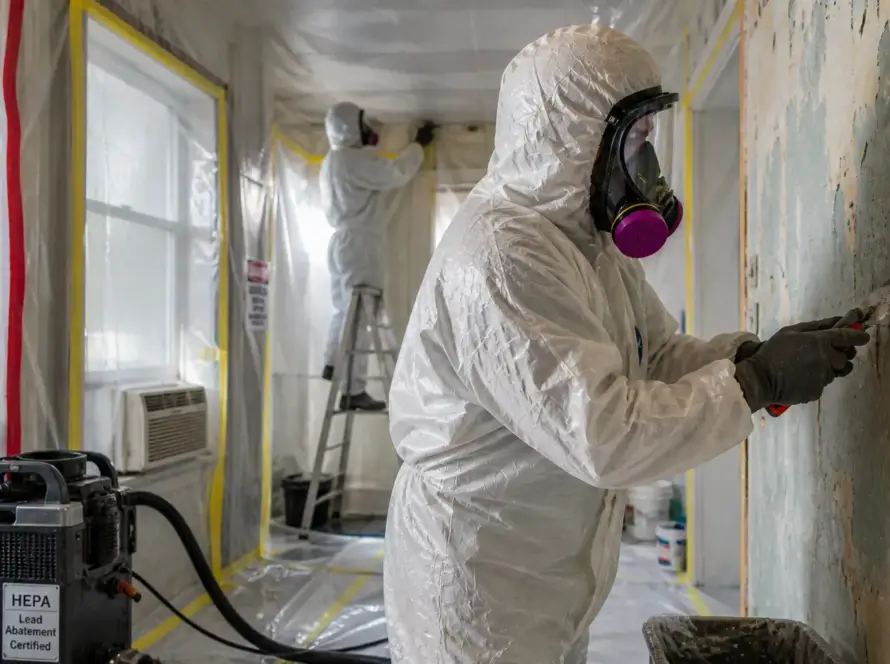
Mold remediation requires strict containment and safety measures to prevent spores from spreading to unaffected areas. High-quality containment materials, along with negative air systems and filtration equipment, help maintain a controlled environment throughout the remediation process. Personal protective equipment plays an equally important role, as mold exposure can pose serious health risks. Using trusted materials ensures that remediation is completed effectively while protecting both workers and occupants.
Another important factor in restoration work is the consistency of supply. Delays caused by unavailable or unreliable materials can disrupt project timelines and increase costs. This is why restoration professionals often partner with suppliers who understand the urgency of their work and can provide dependable, site-ready materials when needed. Quick access to essential products helps teams stay focused and maintain productivity under tight deadlines.
In addition to performance and availability, quality plays a key role in material selection. Substandard supplies can lead to inefficiencies, safety concerns, and compromised results. Investing in high-grade materials ensures durability, better performance, and long-term reliability. For restoration professionals, this translates into improved project outcomes and stronger client satisfaction.
Ultimately, successful restoration projects are built on the foundation of proper planning and the use of reliable materials. By selecting the right supplies for water, fire, and mold damage scenarios, professionals can deliver efficient, safe, and high-quality results. The right materials not only simplify complex processes but also help ensure that every project meets the highest industry standards.