Lead and hazardous material abatement is a critical process in maintaining safe environments in residential, commercial, and industrial spaces. These projects require a high level of expertise, strict adherence to safety regulations, and the use of specialized tools and materials. Whether dealing with lead-based paint, asbestos, or other hazardous substances, proper abatement practices are essential to prevent exposure and protect both workers and occupants.
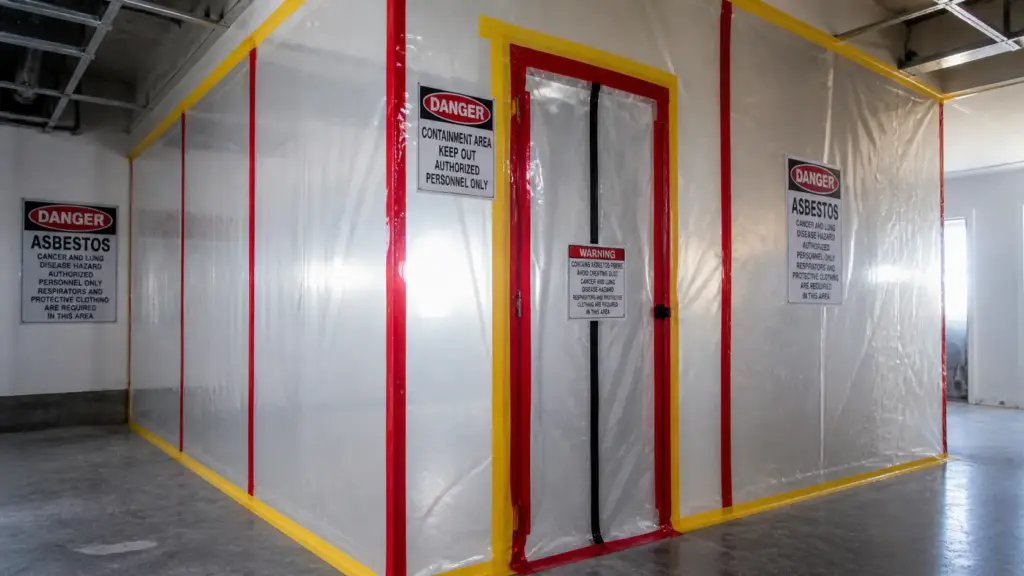
One of the most important aspects of hazardous material abatement is containment. Creating a controlled work area ensures that harmful particles do not spread beyond the designated zone. High-quality poly sheeting, combined with durable adhesive tapes, is used to seal off contaminated areas effectively. This containment system acts as the first line of defense, minimizing the risk of cross-contamination and maintaining a safe working environment throughout the project.
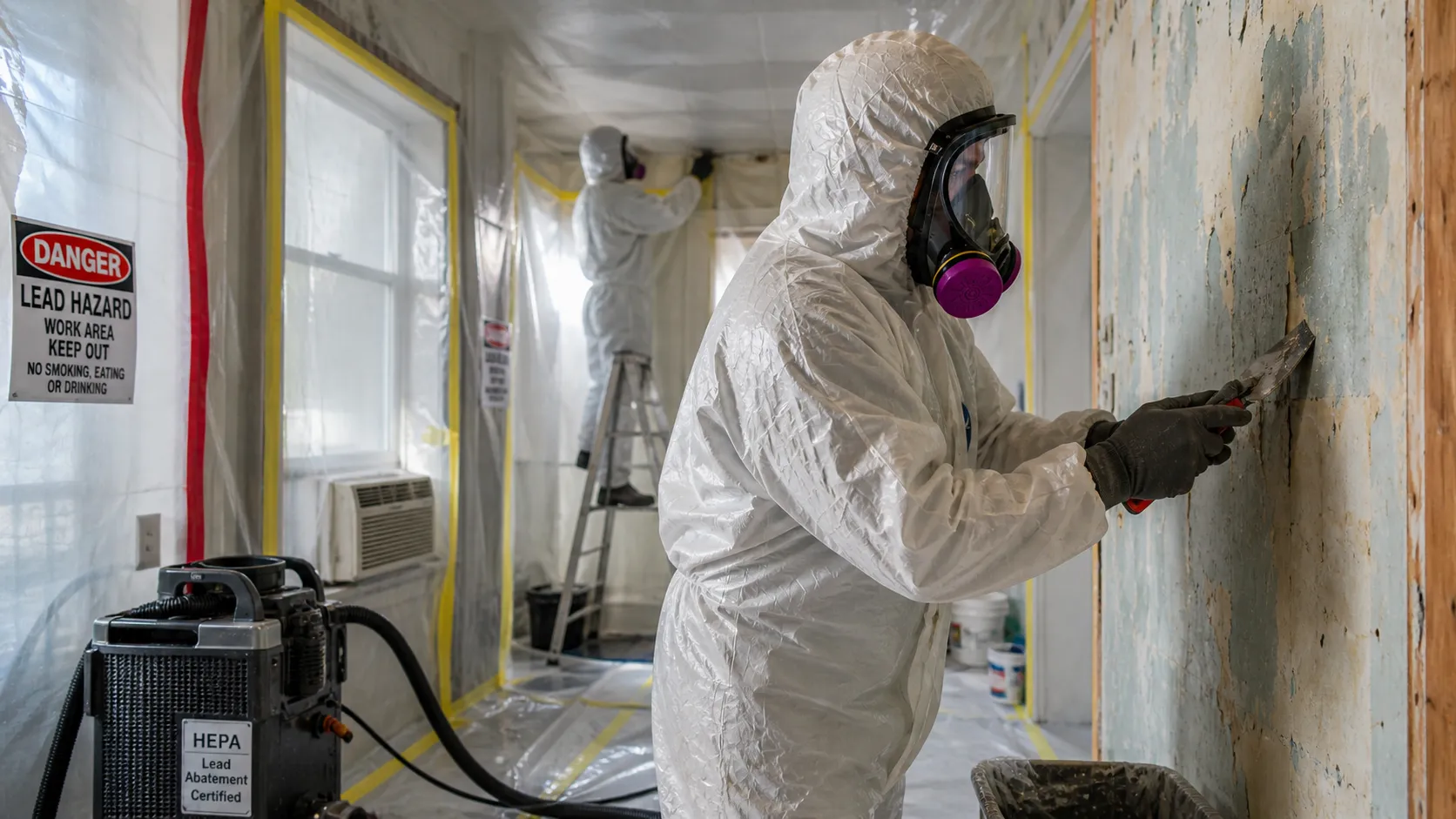
Personal protective equipment (PPE) plays a vital role in safeguarding workers during abatement operations. Respirators, protective suits, gloves, and eye protection are necessary to reduce exposure to toxic substances. The quality and reliability of this equipment directly impact worker safety and compliance with industry standards. Proper training in the use of PPE is equally important, ensuring that every team member understands how to operate safely within hazardous environments.
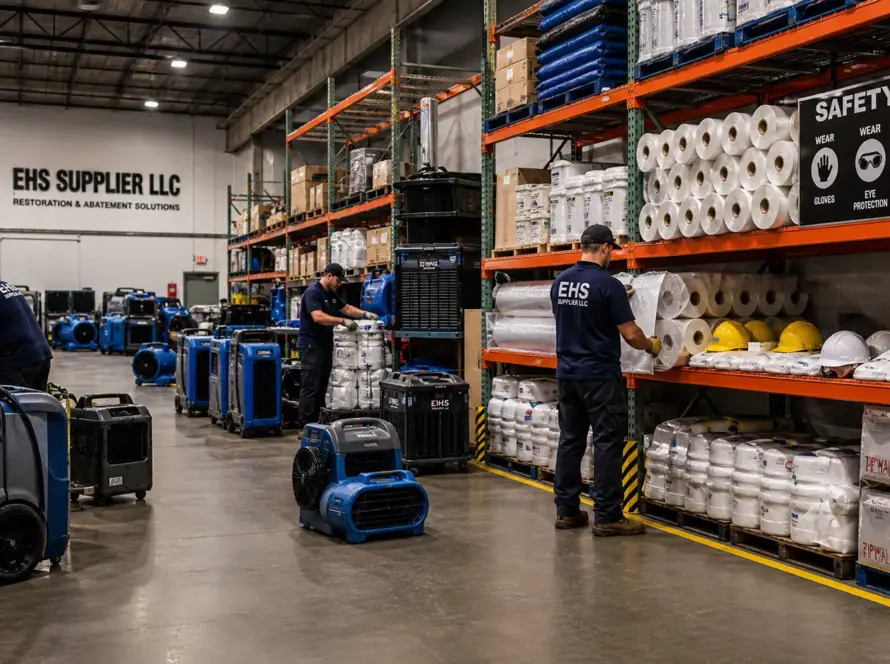
Specialized tools and equipment are also essential for effective abatement. Negative air machines, HEPA filtration systems, and vacuum units are commonly used to control airborne contaminants and maintain air quality. These tools help create a negative pressure environment, preventing hazardous particles from escaping the containment area. Using advanced equipment not only improves safety but also enhances the overall efficiency of the abatement process.
Another key factor in successful abatement is proper waste handling and disposal. Hazardous materials must be collected, sealed, and transported in compliance with strict regulatory guidelines. Heavy-duty disposal bags and clearly labeled containers are used to ensure that contaminated waste is handled safely. Failure to follow proper disposal procedures can result in serious environmental and legal consequences, making it essential to use reliable materials and follow established protocols.
Planning and preparation are fundamental to every abatement project. Conducting thorough site assessments, identifying potential risks, and selecting the appropriate materials all contribute to a smoother workflow. Working with experienced suppliers who understand the specific needs of abatement professionals can make a significant difference. Access to high-quality, site-ready materials ensures that projects can proceed without unnecessary delays or complications.
Ultimately, lead and hazardous material abatement is about more than just removing harmful substances—it is about creating safe, compliant, and sustainable environments. By following best practices, using the right tools, and prioritizing safety at every stage, professionals can deliver effective results while protecting both people and the environment.